NJEGOSEVA STREET
Part of this street from Trifkovićev trg to Masarikova, we can see in the picture above, can be found in
Read More

Part of this street from Trifkovićev trg to Masarikova, we can see in the picture above, can be found in
Read More
The Katolicka porta was originally a cemetery next to the Catholic Church, but at the end of the 18th century,
Read More
This street was named after the Greek primary school that has been located in it since the middle of the
Read More
Zlatne grede Street is one of the three oldest streets in the city when Novi Sad was called Racka Varos,
Read More
This street has long been known as Lebarski Street, and was on the road to Rumenka. We find it on
Read More
Perhaps the oldest name of today’s Trifkovic Square was Jarčev trg (Goat’s Square), whether it was named after some old
Read More
This street was called Hanska Street for a long time, because the famous tavern “Turski han” was located on the
Read More
All the inhabitants of the village of Almas, which was located on a wetland somewhere between today’s Temerin, Nadalj, Sirig
Read More
This is the street by which Zlatne grede Street used to end towards the swamp. This is one of the
Read More
Temerinska Street is on one of the three main roads, at the crossroads of which Novi Sad was built. The
Read More
Kisacka street has been on one of the main road routes in Novi Sad since the city was founded, but
Read More
This two-story corner house was, probably, built in the late 18th century, and rebuilt in the early 1850s after the
Read More
This two-story house is probably built in the late 18th century, judging by the construction of the arched ceilings on
Read More
This two-story building is built at the end of the 18th century or the beginning of the 19th century. It
Read More
This two-story house was built at the end of the 18th century, in early Neoclassical style. It was damaged in
Read More
This three-story house was known as “Svojina” (Engl. “Property”, because it was the property of the Serbian Orthodox Church), and
Read More
This two-story house was built between 1850s, in the late Neoclassical style. In the early 20th century reconstruction, a new
Read More
This two-story house was built in 1852, for the owners Sofija and Jovan Paskovic. The blueprints were finished in 1850
Read More
This two-story house was built between 1820 and 1860. The house bears the features of the late Neoclassical style. The
Read More
This one-story house built at the end of the 18th or early 19th century, with a rectangular floor plan, was
Read More
This three-story house, in Art Nuove style, known as “The Ironman Palace”, was built in 1908/09, with a W-shaped floor
Read More
This three-story house, known as “The Finances Palace”, was built in 1904, with an L-shaped floor plan, and designed by
Read More
This three-story house, known as “Grand hotel Meyer”, was built in 1893, with an T-shaped floor plan. It was built
Read More
This two-story house, known as Hadzic’s house, was built in the mid 18th century, with an U-shaped floor plan. Baron
Read More
This two-story house, with an L-shaped floor plan, was built in 1854, for the owner Johan Ajgler as the Hotel
Read More
The Townhouse is a three-story building with a trapezoid-shaped floor plan. It has three street wings and facades, and with
Read More
After the decision to move the Museum of Vojvodina to the old Courthouse, the empty land lot next to it
Read More
The groundwork for the City Courthouse and jail building had started in 1892, when the city gave this land lot,
Read More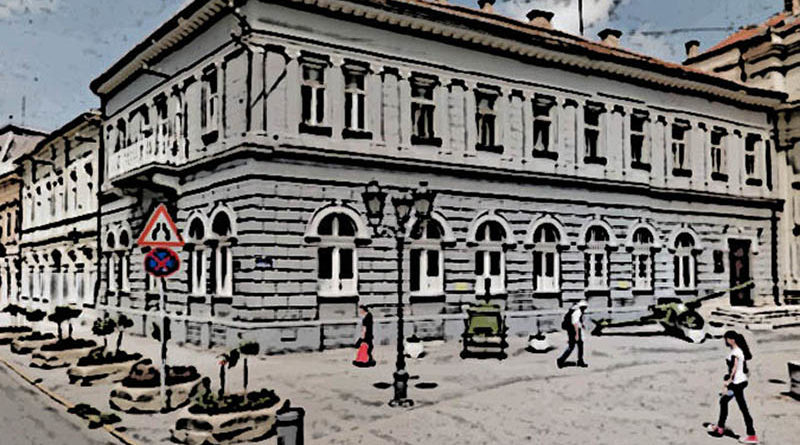
There are two two-story houses and a three-story house at this house number.The first one (1.) is a two-story house
Read More
This is a three storey building, built in 1929-30, designed by Đorđe Tabaković, in the place of the demolished Barbican
Read More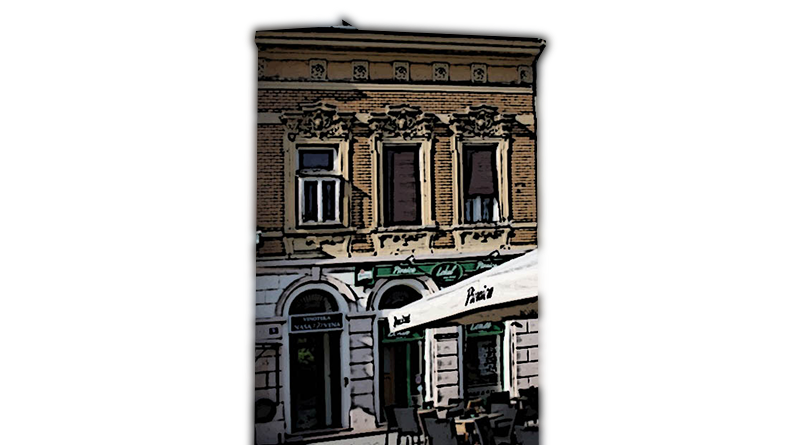
The two-story house was built on turn of the 18th and 19th centuries, with an L-shaped floor plan. The house
Read More
This is a three storey building, built in 1927, designed by Vilhelma Lerera, in the place of the demolished Barbican
Read More
The two-story house was built in 1904, with an L-shaped floor plan, for the owner Mathilda Schoeman. For the first
Read More
This is a three storey building, built in 1930, designed by Jovan Melke, in the place of the demolished Barbican
Read More
The two-story house was built in 1904, with a U-shaped floor plan, for the renowned stonemason Johan Schoeman. In 1907
Read More
This is a three storey building, built in 1930, designed by Filip Šmit, in the place of the demolished Barbican
Read More
This two-story house, with a rectangular-shaped floor plan, was built in 1881, by design of the Baumeister Stefan Frank, for
Read More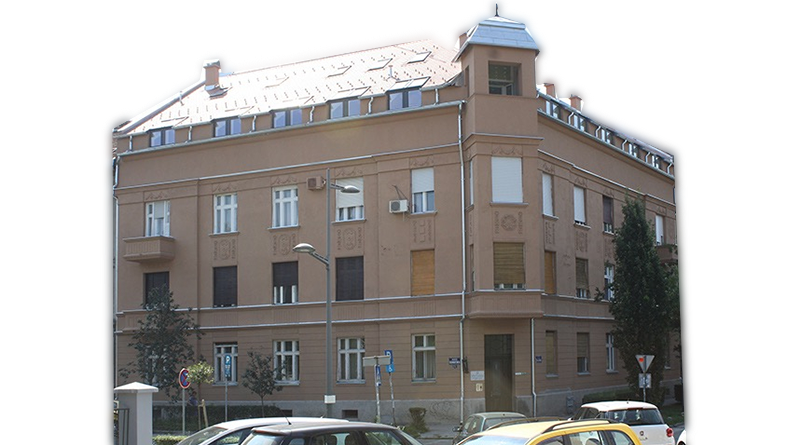
This is a three storey building, built in the early 1930s, in the place of the demolished Barbican of the
Read More
This is a two-story house, with a U-shaped floor plan. The house that used to be in its place had sustained
Read More
The kiosk, with a rectangular-shaped floor plan, was built at the end of the 19th century, in the Danube park,
Read More